SlimGLP GLP-1 UK
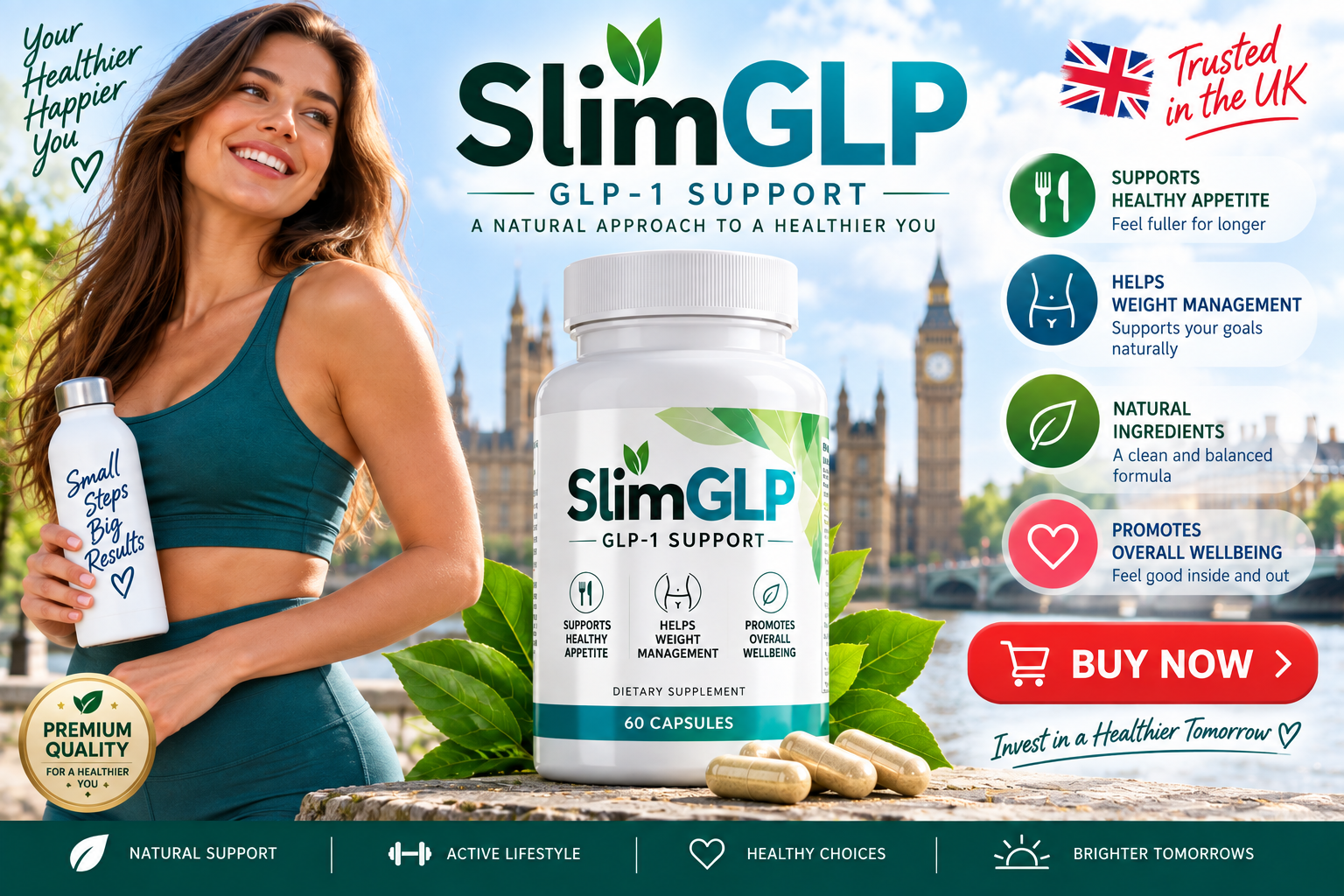
Interest in GLP-1 and weight management products has grown rapidly in the UK. As a result, many people are searching for convenient options that may complement a healthy lifestyle. SlimGLP GLP-1 UK is one product attracting attention, particularly among consumers interested in nutritional support for appetite and weight-management goals.
However, it is important to understand the difference between a dietary supplement marketed around GLP-1 support and prescription GLP-1 medicines. This distinction helps consumers make informed decisions and avoid confusing supplements with regulated medicines.
What Is SlimGLP?
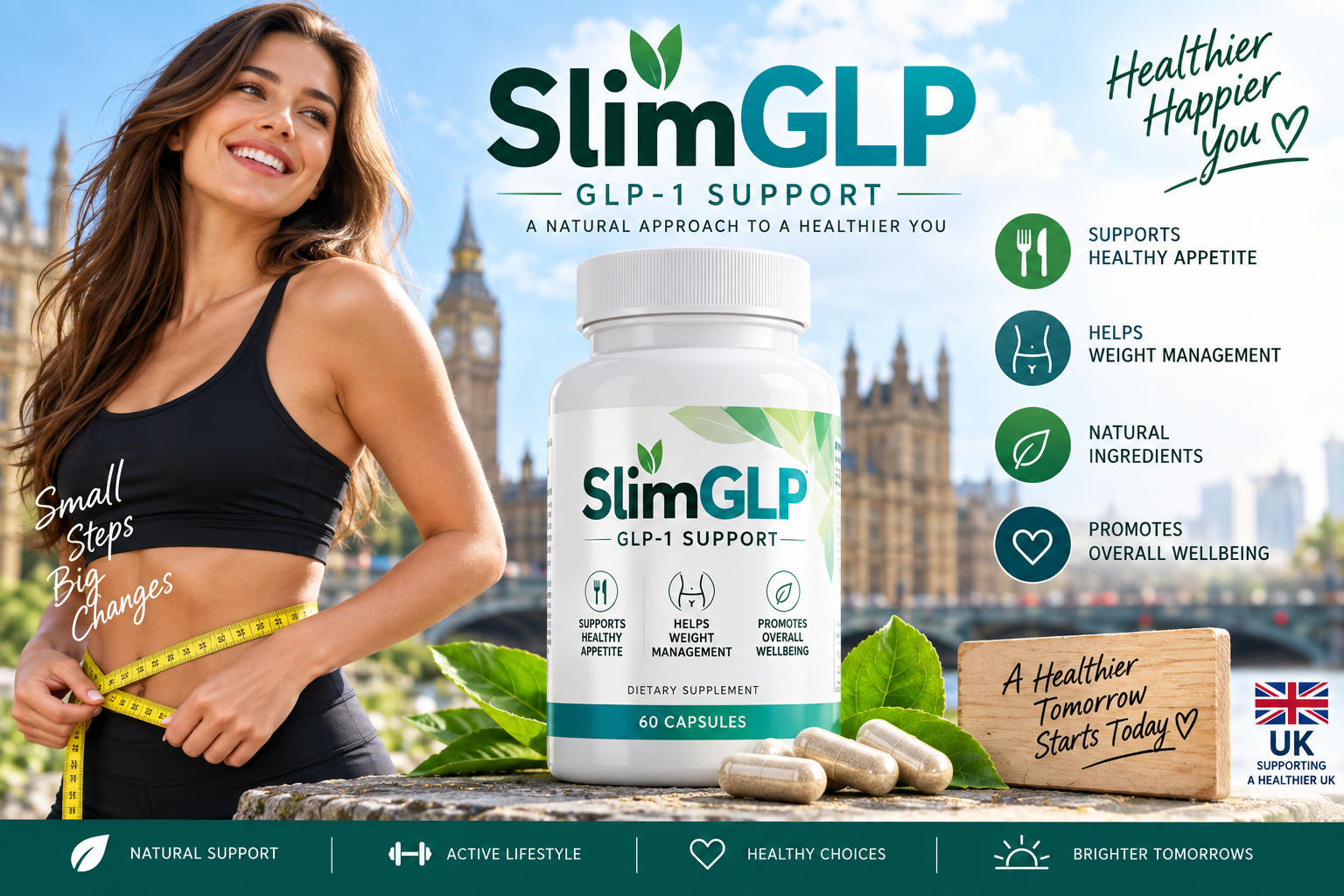
SlimGLP is marketed as a nutritional supplement designed to support healthy weight-management goals. According to the manufacturer’s website, the product is positioned as a natural GLP-1 support formula and is intended to be used alongside a healthy diet and exercise.
The product is therefore different from prescription GLP-1 medicines such as semaglutide or tirzepatide.
In the UK, authorised GLP-1 medicines are prescription-only treatments. The MHRA explains that medicines such as Wegovy, Mounjaro and certain liraglutide products have specific licensed uses and should be prescribed following an appropriate healthcare assessment.
Understanding GLP-1
GLP-1 stands for glucagon-like peptide-1, a naturally occurring hormone involved in appetite, digestion and blood-glucose regulation.
Prescription GLP-1 receptor agonists mimic some of the actions of naturally occurring GLP-1. They can increase feelings of fullness and reduce appetite, which can contribute to weight loss when used appropriately.
Because of this, GLP-1 has become a major topic in modern weight-management discussions.
Nevertheless, consumers should not automatically assume that a supplement containing ingredients marketed for GLP-1 support works in the same way as an authorised GLP-1 medicine.
SlimGLP GLP-1 UK and Weight Management
Maintaining a healthy weight usually requires several habits working together. These can include balanced nutrition, regular physical activity, sufficient sleep and consistent meal planning.
SlimGLP is marketed as an additional nutritional option that can fit into this broader approach.
Consequently, people considering SlimGLP should view it as part of a lifestyle strategy rather than a replacement for healthy eating or physical activity.
The manufacturer’s website specifically presents SlimGLP in combination with a healthy diet and exercise.
How Could SlimGLP Fit Into a Daily Routine?
A simple routine can make any supplement easier to incorporate consistently.
First, read the product label carefully and follow the manufacturer’s recommended serving instructions. Next, maintain regular meals containing a variety of nutritious foods. In addition, stay physically active according to your individual abilities and goals.
Most importantly, do not exceed the recommended serving.
Furthermore, if you take prescription medicines or have an existing medical condition, discuss supplements with an appropriate healthcare professional before adding them to your routine.
SlimGLP Supplement vs Prescription GLP-1 Medicines
This is one of the most important points when researching SlimGLP GLP-1 UK.
Prescription GLP-1 medicines are regulated medicines with specific indications. In the UK, examples include semaglutide and tirzepatide products authorised for particular diabetes and/or weight-management uses.
SlimGLP, on the other hand, is presented by its manufacturer as a nutritional supplement.
Therefore, it should not be described as equivalent to prescription semaglutide, tirzepatide or another GLP-1 medicine.
This distinction is particularly important because misleading health claims can create unrealistic expectations.
Why Are People Interested in GLP-1 Support?
One reason is the growing public awareness of appetite regulation.
GLP-1 medicines have received significant attention because they can influence appetite and fullness. Diabetes UK explains that GLP-1 medications can slow digestion, increase feelings of fullness and reduce appetite.
As a result, interest has expanded beyond prescription treatments to nutritional products marketed around natural GLP-1 support.
However, popularity does not automatically establish that every supplement produces the same effects as a prescription medicine. Therefore, consumers should carefully examine product information rather than relying only on advertising claims.
Potential Benefits of a Healthy Weight-Management Routine
Regardless of whether someone chooses to use a supplement, healthy lifestyle habits remain important.
A balanced diet can provide essential nutrients while sensible portion sizes can support overall calorie management. Similarly, regular movement can contribute to fitness, strength and general wellbeing.
Moreover, establishing consistent habits is often more sustainable than relying on short-term approaches.
SlimGLP’s manufacturer positions the product as supporting healthy weight management when combined with diet and exercise.
Therefore, consumers interested in the product should consider how it fits into their overall routine.
What Should UK Consumers Check Before Buying?
Before purchasing SlimGLP or any similar supplement, consider several factors.
1. Product information:
Read the current label, ingredients and recommended serving carefully.
2. Manufacturer information:
Check who produces the product and what claims are actually made.
3. Expectations:
Avoid products promising instant or guaranteed weight loss.
4. Your medications:
If you take prescription medication, speak with a healthcare professional before using a new supplement.
5. Source:
Purchase through a legitimate and reputable seller.
Additionally, remember that supplements and medicines are regulated differently. A supplement should not be presented as an authorised prescription GLP-1 treatment unless it genuinely is one.
Is SlimGLP a GLP-1 Medicine?
No. SlimGLP is marketed as a nutritional supplement rather than a prescription GLP-1 medicine.
This distinction is especially relevant in the UK because legitimate GLP-1 medicines require appropriate prescribing and medical oversight.
The MHRA advises consumers not to purchase GLP-1 medicines from unregulated sellers or social-media sources. Instead, prescription GLP-1 medicines should be obtained through legitimate healthcare and pharmacy channels.

Safety and Responsible Use
Safety should always come before weight-loss goals.
If you are considering a GLP-1 medicine, speak with a qualified healthcare professional about whether it is appropriate for you. The MHRA has also highlighted important safety concerns associated with GLP-1 medicines, including gastrointestinal side effects and the rare possibility of serious pancreatitis.
For supplements such as SlimGLP, follow the product label and avoid exceeding the recommended amount.
Furthermore, do not combine different weight-loss products without professional advice simply because they appear to target similar mechanisms.
Final Thoughts
SlimGLP GLP-1 UK is marketed as a nutritional supplement for people interested in supporting their healthy weight-management routine. It is positioned differently from prescription GLP-1 medicines, so consumers should understand this distinction before making a purchase.
Ultimately, sustainable weight management involves more than a single product. A nutritious diet, regular physical activity and consistent lifestyle habits remain important foundations.
Therefore, if you are researching SlimGLP, review the current product information carefully, maintain realistic expectations and seek professional advice when appropriate. For anyone considering an actual GLP-1 medicine in the UK, medical assessment and a legitimate prescription route are essential.